
"Having a Weak Stomach" is a Talent: The Gift of Sensory Hypersensitivity.
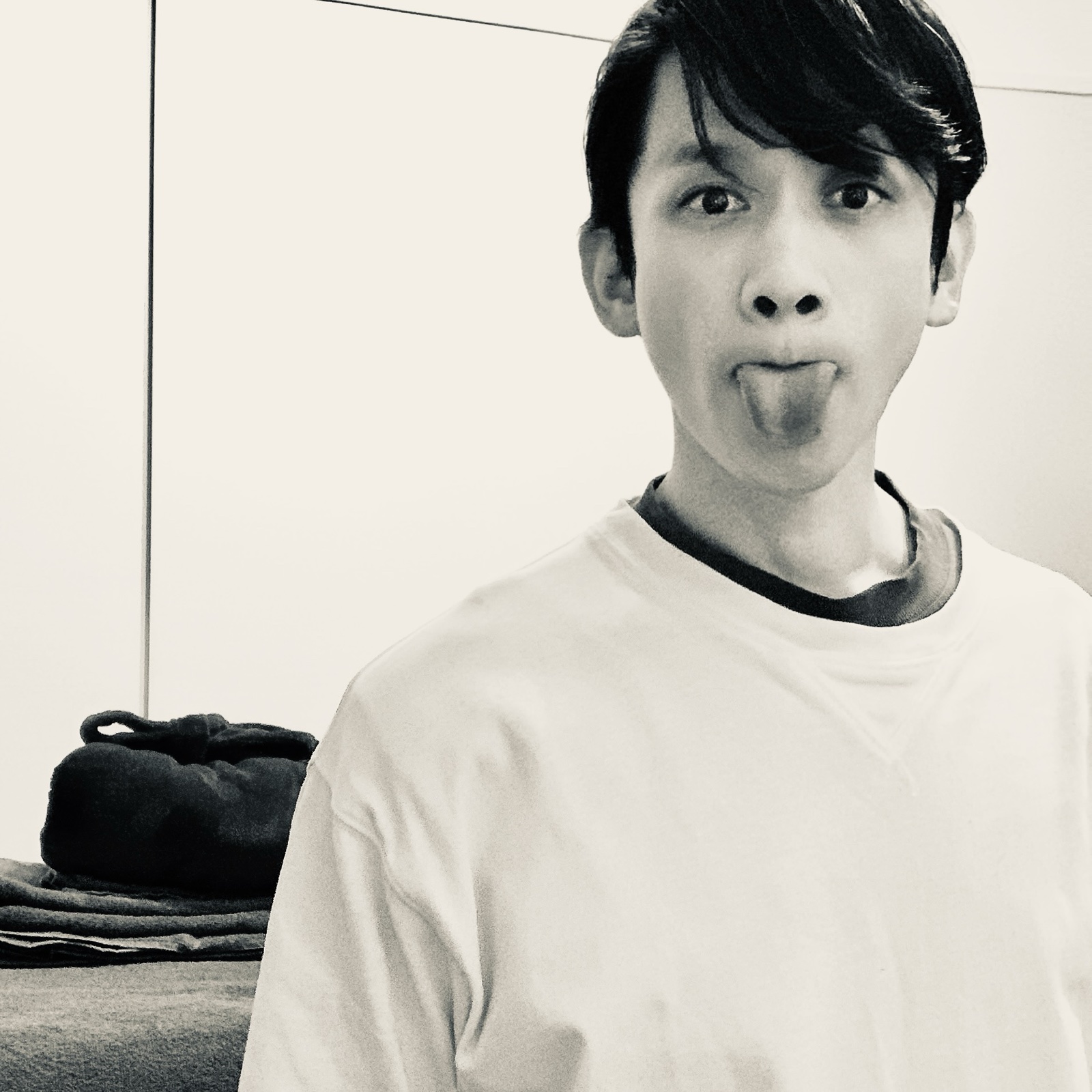
They say "birds of a feather flock together." I have noticed that a large proportion of the clients who visit my salon seem to share a similar nature—people who might experience headaches from slight sounds or lights, or whose stomachs react immediately to nervousness.
Most of them blame themselves for being "mentally weak," but I believe this sensitivity is actually a remarkable talent.
Growing up in an era that demanded "grit" and "stoic toughness," I was often scolded for being too thin-skinned. I was an introverted, sensitive child—the type who secretly hoped school events would be canceled just so I wouldn't have to face the overstimulation.
To "toughen me up," I was sent to a strict, traditional dojo from a young age to learn Japanese martial arts.
Surprisingly, my skills improved at an incredible pace.
While others thought it was just the result of harsh training, looking back, I am certain that my "oversensitive physical reactions" were the true secret to my success.
From the perspective of psychology and neuroscience, the HSP (Highly Sensitive Person) trait—a tendency to process stimuli deeply—is closely linked to sensory hypersensitivity, where the nervous system reacts intensely to the environment.
Furthermore, when combined with a sharp sense of proprioception (the ability to perceive one’s own body movement), this sensitivity transforms into a high level of sensory-motor precision—the ability to control the body with extreme delicacy.
Those who master this "hypersensitive sensor" often thrive as top-tier professionals, from elite athletes to master artisans.
They all share the ability to process physical information with incredibly high resolution.
In my work as a therapist, the way my hands respond to subtle muscle reactions and breathing is only possible because of this "troublesome sensor."
If you feel that you might be an HSP or have sensory hypersensitivity, I encourage you to try a form of physical expression—be it sports, crafts, or a musical instrument.
Whether you are in your 40s or 50s, once you find a place where your high-precision sensor can shine, you may discover talents you never knew you had.
On the other hand, this trait is often a "survival strategy"—an adaptation sharpened unconsciously to endure the environment you grew up in.
It is a deeply ingrained part of who you are, so you don’t need to "fix" it or deny your own sensitivity.
However, because this sensor can easily overheat, it is essential to have a place to "turn it off."
I started MoonTed to create a sanctuary for sensitive people.
Even if you are exhausted by daily stimuli or feeling overwhelmed, I want this to be a "shelter" where you can reset your switch and find peace.
 LINE
LINE